
List of Top Endangered Whales
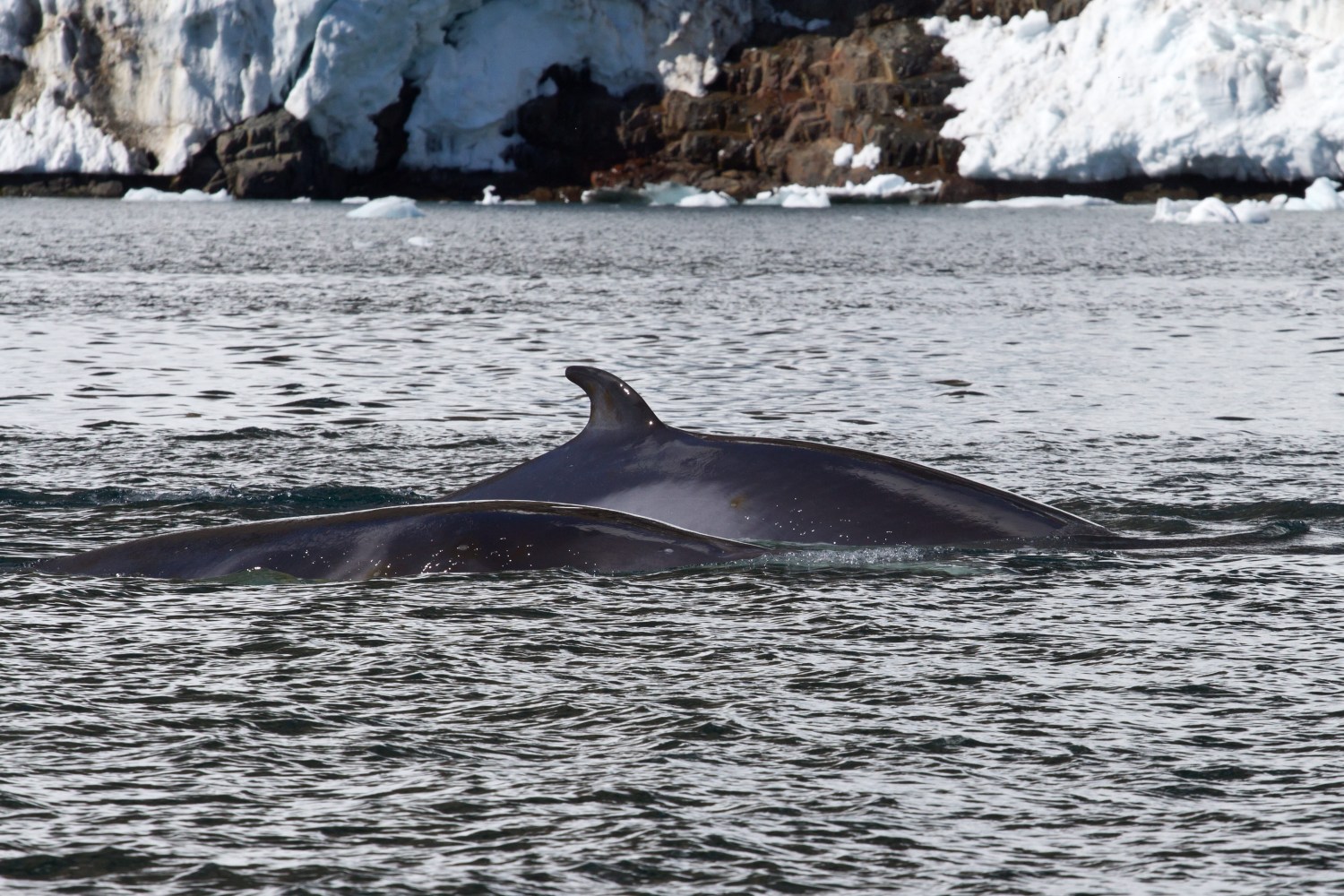
Decades of overhunting and a changing environment have left many species of whales facing extinction. Many of the whales seen on Next Level Sailing trips face some degree of endangerment — from rising climate change and pollution to collisions with boats in an increasingly congested marine environment. Below, we cover the whale species most at risk today, what’s driving their decline, and the conservation efforts underway to restore their numbers.
Understanding Endangered Whales: Why Conservation Matters
Whales are among the most awe-inspiring creatures in our oceans, but many species face serious threats to their survival. At Next Level Sailing, we’re proud to not only offer unforgettable whale watching tours but also raise awareness about the importance of protecting these magnificent marine mammals. Many of the whales seen on our tours are considered endangered or vulnerable, due to environmental changes, pollution, marine traffic, and fishing-related hazards.
Read on to learn about the most endangered whales, what’s causing their decline, and how conservation efforts are working to turn the tide.
Quick Reference: Whale Species at Risk
Here’s how the most at-risk whale species compare:
| Species | IUCN Status | Est. Population | Primary Threats |
|---|---|---|---|
| North Atlantic Right Whale | Critically Endangered | < 500 | Entanglement, vessel strikes |
| Rice’s Whale | Critically Endangered | 50–100 | Oil/gas activity, vessel strikes (Gulf of Mexico only) |
| Western Pacific Gray Whale | Critically Endangered | ~300 | Entanglement, habitat disruption |
| Blue Whale | Endangered | 10,000–25,000 | Ship strikes, slow recovery from whaling |
| Sei Whale | Endangered | Declining | Historic whaling, shifting prey |
| Fin Whale | Vulnerable | Recovering | Ship strikes, noise pollution |
Which Whale Species Are Most at Risk?
The right whale is the most endangered in the world’s oceans. There are three right whale species, but the North Atlantic Right Whale is considered the most endangered whale species. With a population estimated at fewer than 500 individuals, they are classified as critically endangered by NOAA Fisheries. Historically hunted for their high blubber content, these whales were once considered the “right” whales to hunt — hence their name.
While commercial whaling is no longer a primary threat, modern dangers still put right whales at extreme risk. Nearly every individual has experienced entanglement in fishing gear, and many are also at risk of vessel strikes in heavily trafficked waters. Of those, net entanglement is the most serious, with nearly all right whales experiencing it at least once.
Blue Whales: Endangered Giants of the Ocean
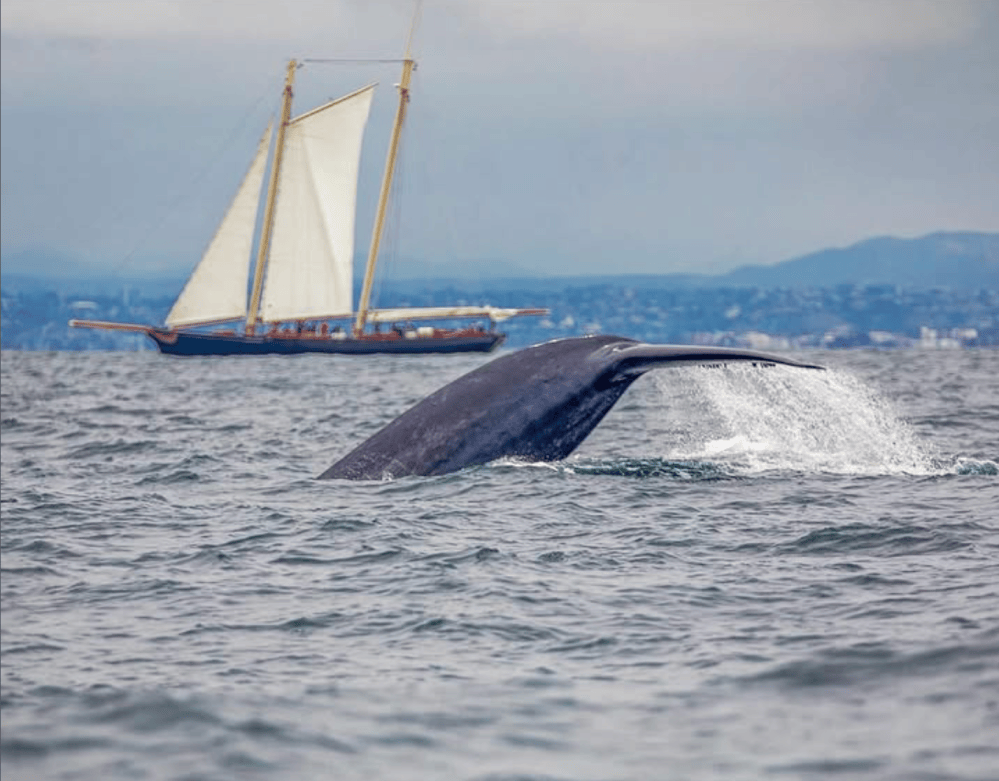
The blue whale is the largest animal ever known to have existed, growing up to 100 feet long and weighing up to 190 tons. Although found in oceans around the world, blue whales are still recovering from the effects of commercial whaling.
Today, it’s estimated that between 10,000 and 25,000 blue whales remain globally. The International Union for Conservation of Nature (IUCN) lists them as endangered, and their numbers continue to be impacted by ship strikes and environmental shifts in the ocean ecosystem.
Gray Whales: Rebounding With Caution
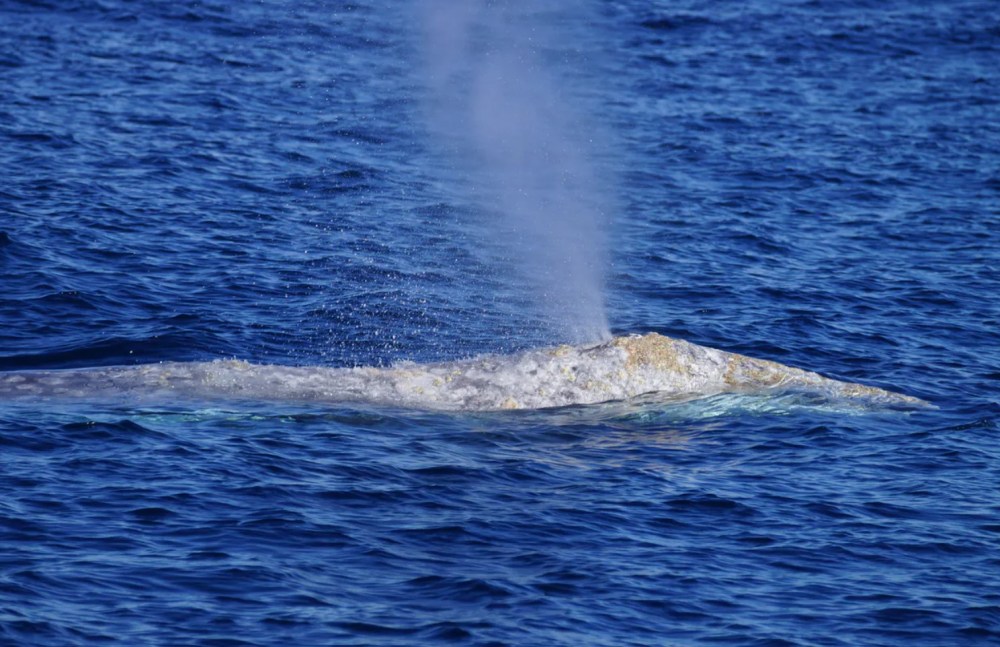
Gray whales show signs of population recovery, particularly in the Eastern North Pacific, where numbers are considered relatively healthy. However, the Western Pacific population remains critically endangered, with only about 300 individuals left.
Threats to gray whales include:
-
- Collisions with vessels
-
- Habitat disruption due to changing ocean temperatures
Rice’s Whale: The World’s Most Endangered Whale
The Rice’s whale, found only in the Gulf of Mexico, is the most endangered whale species in the world, with an estimated 50 to 100 individuals remaining. First recognized as a distinct species in 2021, Rice’s whales face threats from oil and gas activity, vessel strikes, and ocean noise within their small home range. Because their entire population lives in one relatively contained area, a single environmental event — like an oil spill — could have an outsized impact on the species’ survival.
Sei Whales: A Lesser-Known but Endangered Species
Sei whales are among the fastest whales in the ocean, but their populations still haven’t recovered from 20th-century commercial whaling. Listed as endangered by the IUCN, sei whales continue to face pressure from shifting prey availability and historic population losses that take generations to rebuild.
How Do Whales Become Endangered?
Whaling was once the primary factor behind declining whale populations. Changes in public perception of whales and a push to stop whaling have helped stabilize many whale populations.
Factors threatening whale populations include commercial fishing, increased marine traffic, climate change, and dam and bridge construction. These affect whales in different ways.
Commercial fishing impacts marine organisms’ natural balance, leaving whales without natural food sources. Additionally, commercial fishing vessels’ nets and other gear can trap whales, leading to physical injuries or an inability to surface for air.
More boats on the water lead to a greater chance of one striking a whale. These strikes often prove fatal. They contribute to beachings and declines in local population groups.
Climate change and marine construction affect whales in similar ways. They alter where whales and their food sources can survive, which may lead to changes in migratory patterns that cause undue animal stress. 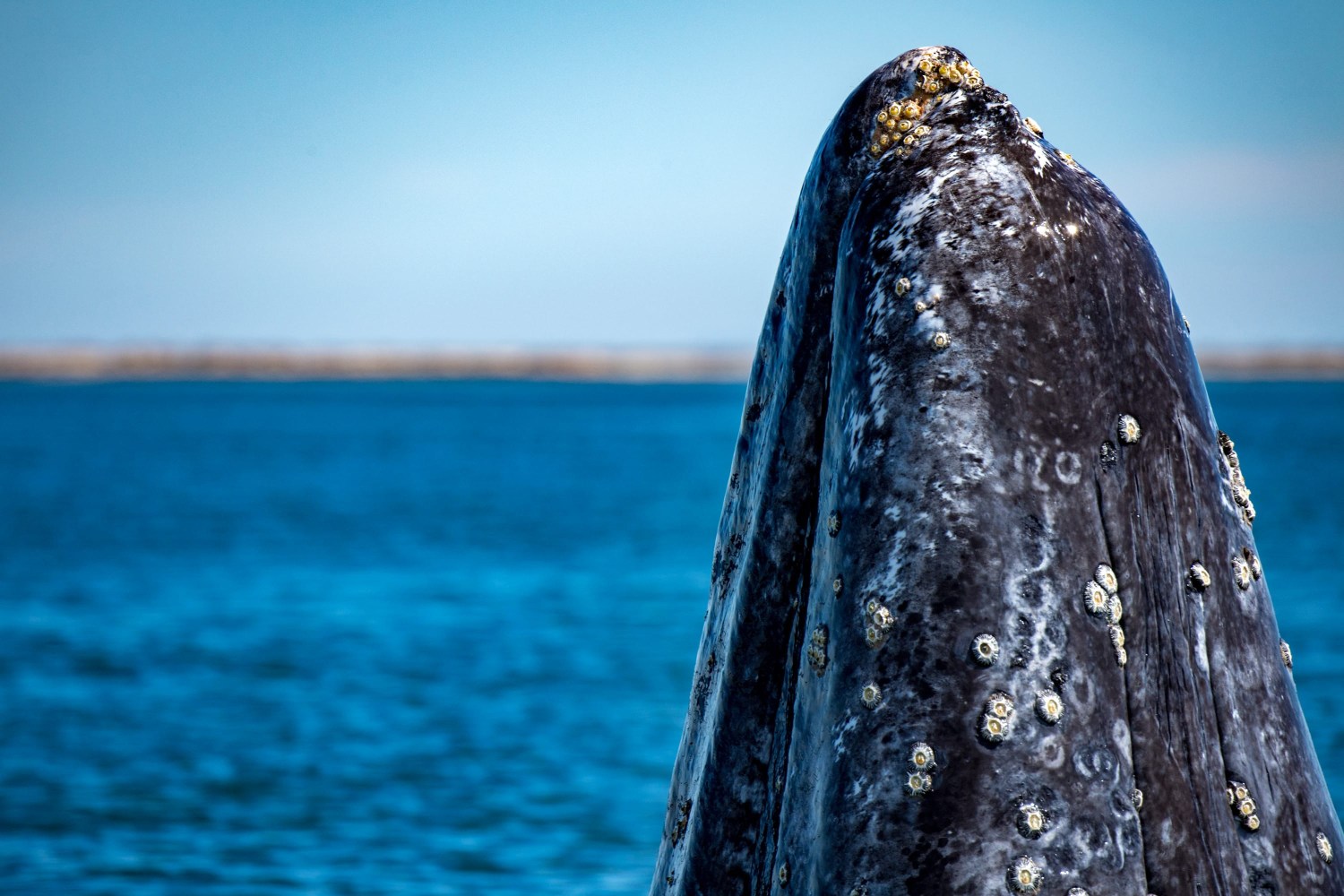
Conservation Efforts Making a Difference
Efforts to protect rare whale species are growing around the world, from international regulations to grassroots awareness campaigns. Key initiatives include:
-
- The International Whaling Commission (IWC), which oversees hunting restrictions and works to phase out unregulated whaling practices.
-
- Fishing industry regulations aimed at reducing net entanglements through improved gear and alert systems.
-
- Public education and responsible tourism, including whale watching tours that promote safe observation and marine stewardship.
Next Level Sailing’s Commitment to Whale Conservation
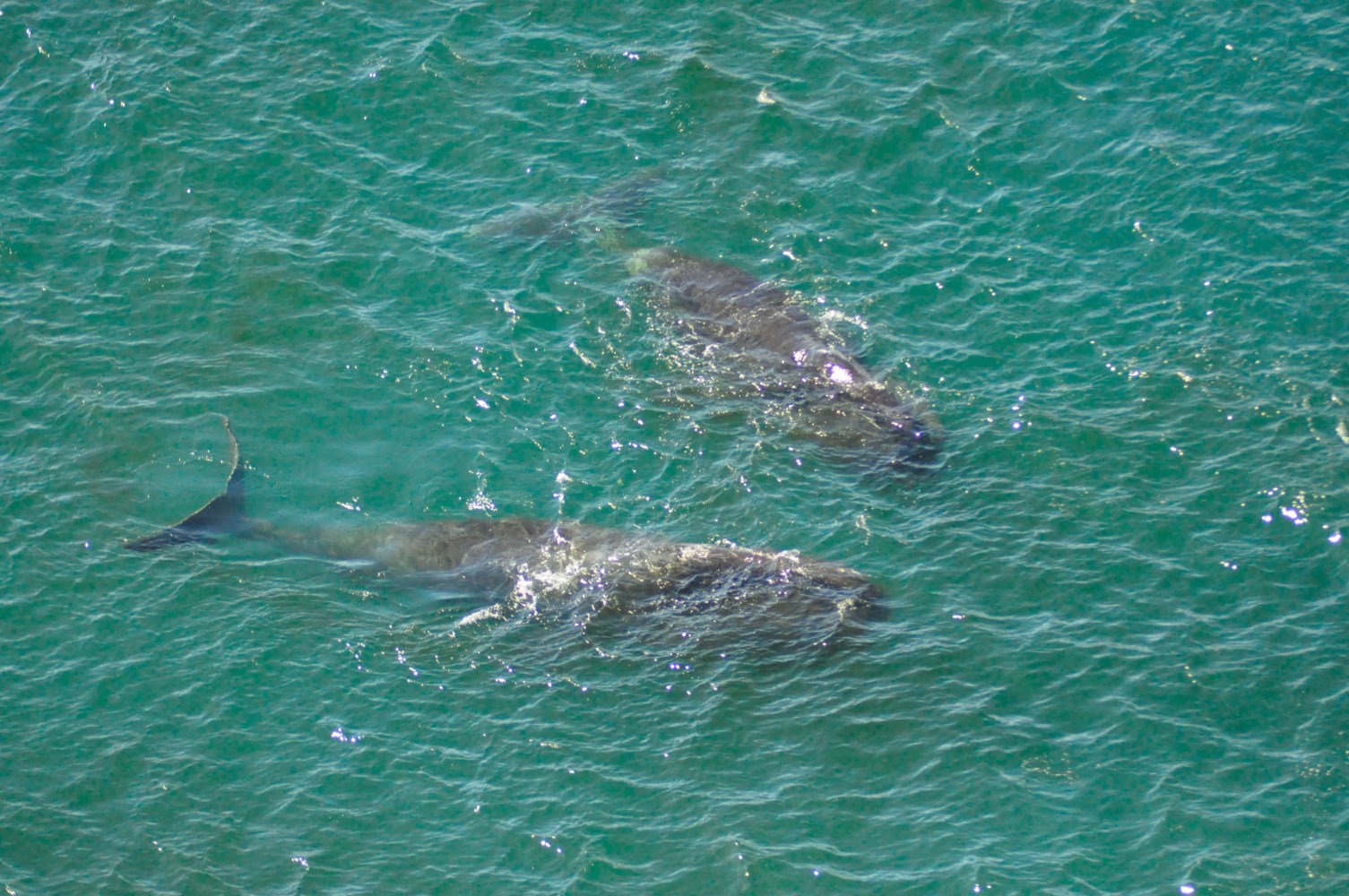
At Next Level Sailing, conservation is at the heart of what we do. Our captain and crew actively monitor whale activity and alert larger vessels, including warships and container ships, to avoid collisions. During our tours, we’ve successfully prevented numerous ship strikes just by being on the water and reporting real-time sightings.
We believe that seeing whales up close fosters a deep appreciation and respect for these endangered animals. Our San Diego whale watching tours provide an ethical, educational, and unforgettable way to connect with marine wildlife.
When you join us on the water, you’ll have the chance to witness not only whales, but also dolphins, sea lions, mola molas, swordfish, turtles, and more.
Frequently Asked Questions
What is the most endangered whale species in the world?
The Rice’s whale, found only in the Gulf of Mexico, is the most endangered whale species, with an estimated population of just 50 to 100 individuals.
Why are whales becoming endangered?
Whales face threats from commercial fishing gear entanglement, vessel strikes, historic whaling losses that populations still haven’t recovered from, climate change, and habitat disruption.
Are blue whales still endangered?
Yes. Blue whales are listed as endangered by the IUCN, with an estimated 10,000 to 25,000 remaining globally — still far below pre-whaling numbers.
Can whale watching harm endangered whales?
It can, if done irresponsibly. Reputable operators follow safe-distance guidelines and avoid disturbing natural behavior, which is why choosing a responsible tour matters.
What is being done to protect endangered whales?
Efforts include international whaling restrictions through the International Whaling Commission, fishing gear regulations to reduce entanglement, marine protected areas, and public education through responsible whale watching.
Ready to Experience Whale Watching in San Diego?
Join us on an unforgettable, family-friendly journey off the coast of San Diego. Whether you’re visiting with grandparents, kids, or friends, our tours provide an inspiring way to connect with nature — and support marine conservation in the process. On our trips, you may see blue whales and gray whales — two of the very species covered above — alongside dolphins, sea lions, mola molas, swordfish, turtles, and more.
Book your whale watching trip with Next Level Sailing and help protect what you love.