
How Long Can Whales Hold Their Breath Underwater?
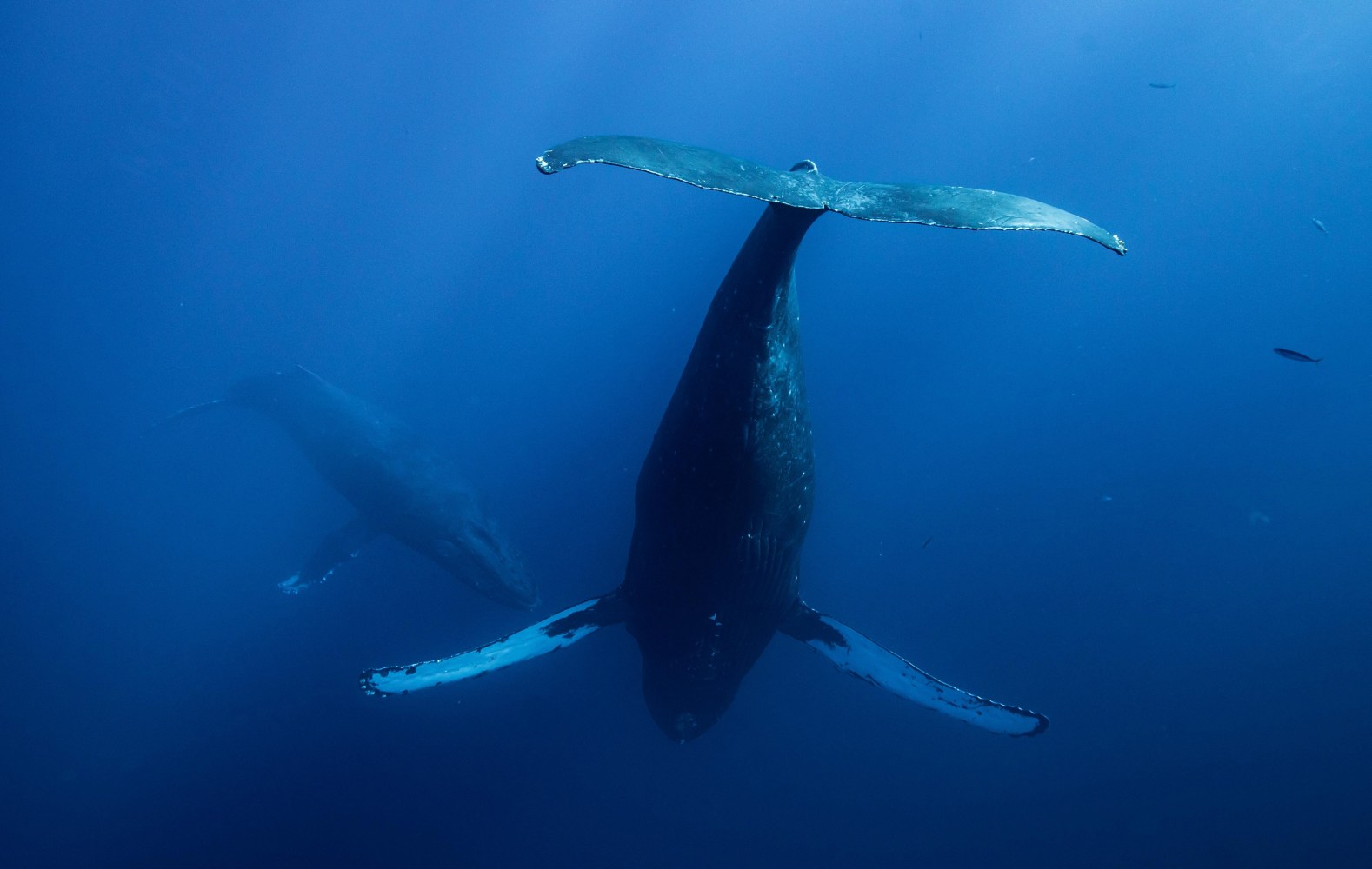
Whales are some of the most fascinating marine mammals on Earth — not just because of their size, but because of their incredible ability to dive deep and stay underwater for extended periods of time. If you’ve ever watched a whale surface for air on a San Diego whale watching tour, you may have wondered: how long can whales hold their breath underwater?
The answer depends on the species, the depth of the dive, and what the whale is doing beneath the surface. Let’s explore how whale breathing works, how long different whales can stay submerged, and what makes these ocean giants such elite divers.
How Do Whales Breathe Underwater?
Despite living in the ocean, whales are mammals — which means they breathe air, not water. They must come to the surface to inhale through their blowholes, located on top of their heads.
Unlike fish, whales do not have gills. Instead, they have lungs similar to humans, but far more efficient. When a whale surfaces, it exhales forcefully (that misty “spout” you see), then quickly inhales fresh oxygen before diving again.
Whales have evolved specialized adaptations that allow them to:
- Store more oxygen in their blood and muscles
- Slow their heart rate during dives
- Redirect blood flow to vital organs
- Collapse their lungs safely under pressure
These physiological adaptations allow whales to hold their breath for remarkably long periods compared to humans.
How Long Can Different Whale Species Hold Their Breath?
Not all whales are the same. Some species take shorter, more frequent dives, while others can descend thousands of feet and remain underwater for over an hour.
Here’s a breakdown of common whale species and their typical dive times:
Baleen Whales (Like Gray and Blue Whales)
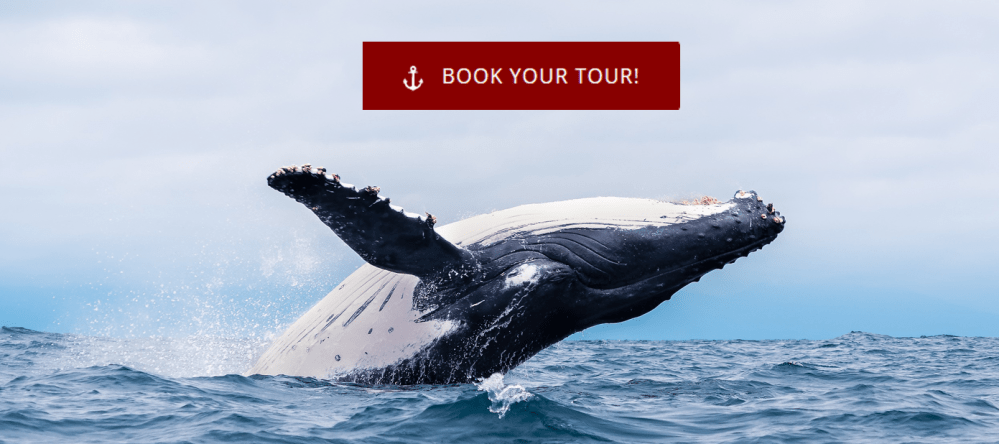
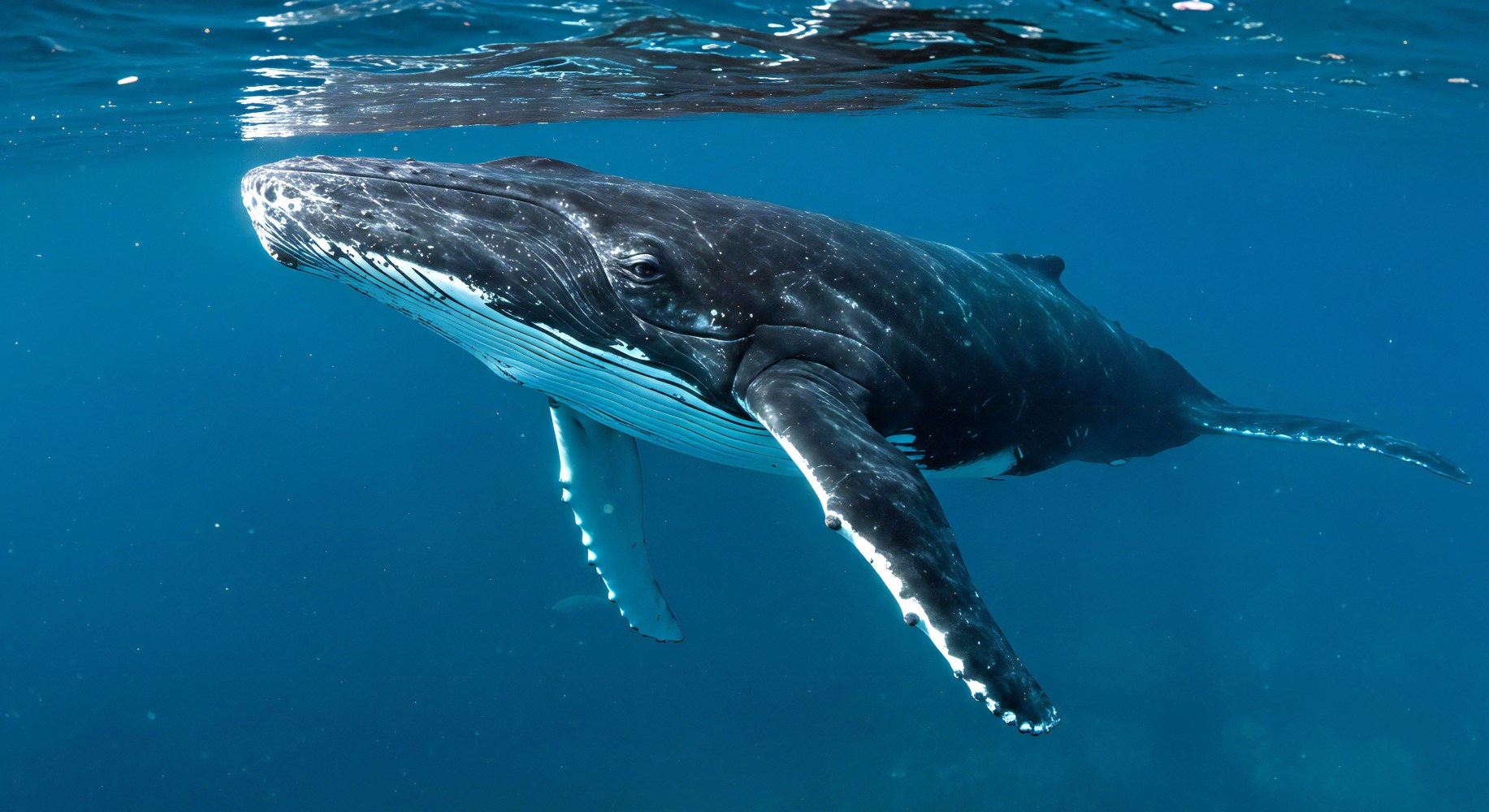
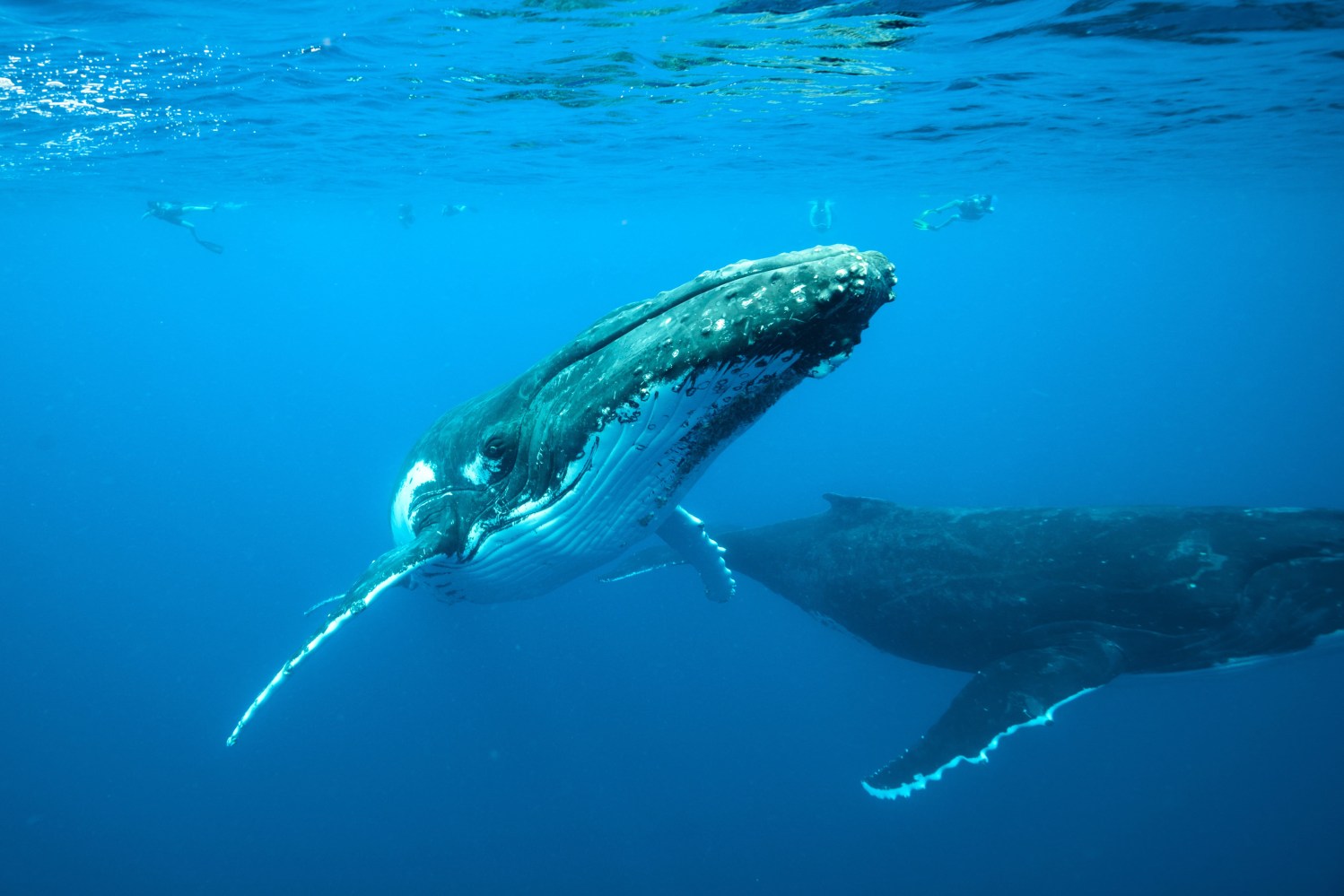
Baleen whales — including gray whales, blue whales, and humpback whales — generally hold their breath for 10 to 20 minutes at a time.
- Gray whales typically dive for 3–10 minutes while migrating along the coastline
- Humpback whales often stay underwater for 10–15 minutes.
- How long can Blue whales hold their breath?Blue whales, the largest animals on Earth, usually dive for 10–20 minutes during feeding.
These whales feed on krill or small fish and don’t typically dive as deep as some toothed whale species.
Toothed Whales (Like Sperm Whales)
Toothed whales are deep-diving specialists. The most impressive example is the sperm whale.
- How long can sperm whales hold their breath? Sperm whales can hold their breath for up to 60–90 minutes.
- They can dive more than 3,000 feet deep in search of squid.
These extraordinary dive times make sperm whales some of the longest breath-holding mammals in the world.
How Long Can Whales Stay Underwater?
The record for the longest documented whale dive belongs to the Cuvier’s beaked whale (a toothed whale species), which has been recorded diving for over 3 hours in extreme cases.
While these extended dives are rare and typically related to avoiding predators or human disturbances, they demonstrate the incredible physiological capacity of certain whale species.
Why Do Whales Need to Hold Their Breath So Long?
Whales hold their breath primarily for feeding.
Deep-diving whales pursue prey that lives far below the surface, such as squid and deep-water fish. The longer they can stay submerged, the more efficient their feeding strategy becomes.
Other reasons whales dive include:
- Avoiding predators (like orcas)
- Traveling underwater
- Resting or socializing
- Navigating deep ocean environments
On a whale watching tour in San Diego, you may notice whales diving repeatedly. The time between dives can give clues about whether the whale is feeding, traveling, or simply cruising along the coastline.
How Whales Survive Deep Ocean Pressure
One of the most fascinating aspects of whale biology is how they survive intense underwater pressure.
For every 33 feet of depth, pressure increases by one atmosphere. At 3,000 feet, the pressure is immense — yet whales manage it with remarkable adaptations:
- Their lungs collapse safely during deep dives, preventing nitrogen buildup.
- Their rib cages are flexible.
- Oxygen is stored in myoglobin-rich muscles.
- Their heart rate slows dramatically to conserve oxygen.
This process, known as the dive response, allows whales to maximize oxygen efficiency and extend their breath-hold time.
Do Whales Ever Drown?
Because whales must surface to breathe, they can drown if they cannot reach the surface. However, in natural conditions, this is rare.
Whales are conscious breathers, meaning they choose when to inhale and exhale. Even when sleeping, half of their brain stays active to control breathing.
This adaptation ensures they don’t accidentally stop breathing while resting.
How Whale Breath-Holding Compares to Humans
For comparison:
- The average human can hold their breath for 30–90 seconds.
- Trained free divers can hold their breath for several minutes.
- Whales regularly exceed 10–20 minutes, with some species surpassing an hour.
Their oxygen storage capacity, slow metabolism during dives, and specialized muscle adaptations make whales vastly more efficient breath-holders than humans.
What You’ll Notice on a Whale Watching Tour
If you join a San Diego whale watching excursion with Next Level Sailing, you may observe patterns in whale surfacing behavior:
- A whale may surface multiple times in a row, taking several breaths.
- After a deeper inhale, it arches its back and dives.
- The tail (fluke) may lift high before a longer dive.
- You may not see it again for 10–15 minutes.
These surface intervals give whales time to replenish oxygen before their next dive.
Understanding how long whales can hold their breath makes the experience even more exciting — you’ll know why that dramatic tail lift signals a longer underwater journey.

Seasonal Whale Watching in San Diego
Different whale species migrate through Southern California waters throughout the year:
- Gray whales migrate from Alaska to Baja California (December–April).
- Blue whales visit during summer feeding months.
- Humpback whales can be spotted at various times of year.
Each species has slightly different dive patterns and breath-hold abilities, making every whale watching trip unique.
At Next Level Sailing, guests experience whale watching tours aboard a vast and comfortable sailing vessel — The Yacht America, offering a closer connection to these magnificent marine mammals.
How Long Can Whales Hold Their Breath?
So, how long can whales hold their breath underwater?
- Most baleen whales: 10–20 minutes
- Deep-diving toothed whales: 60–90 minutes
- Extreme cases (like beaked whales): over 3 hours
These impressive dive times are made possible by millions of years of evolution and highly specialized biological adaptations.
The next time you see a whale disappear beneath the surface, remember — it may not resurface for quite a while. Beneath the waves, it’s navigating pressure, conserving oxygen, and hunting in a world few humans will ever experience firsthand.
If you’d like to witness this incredible behavior in real time, book a San Diego whale watching adventure with Next Level Sailing and experience the power and mystery of whales up close.
There’s nothing quite like watching a whale take a deep breath — and knowing just how long it can stay beneath the sea.