
El Niño and the Ocean: What Warmer Water Means for Marine Life
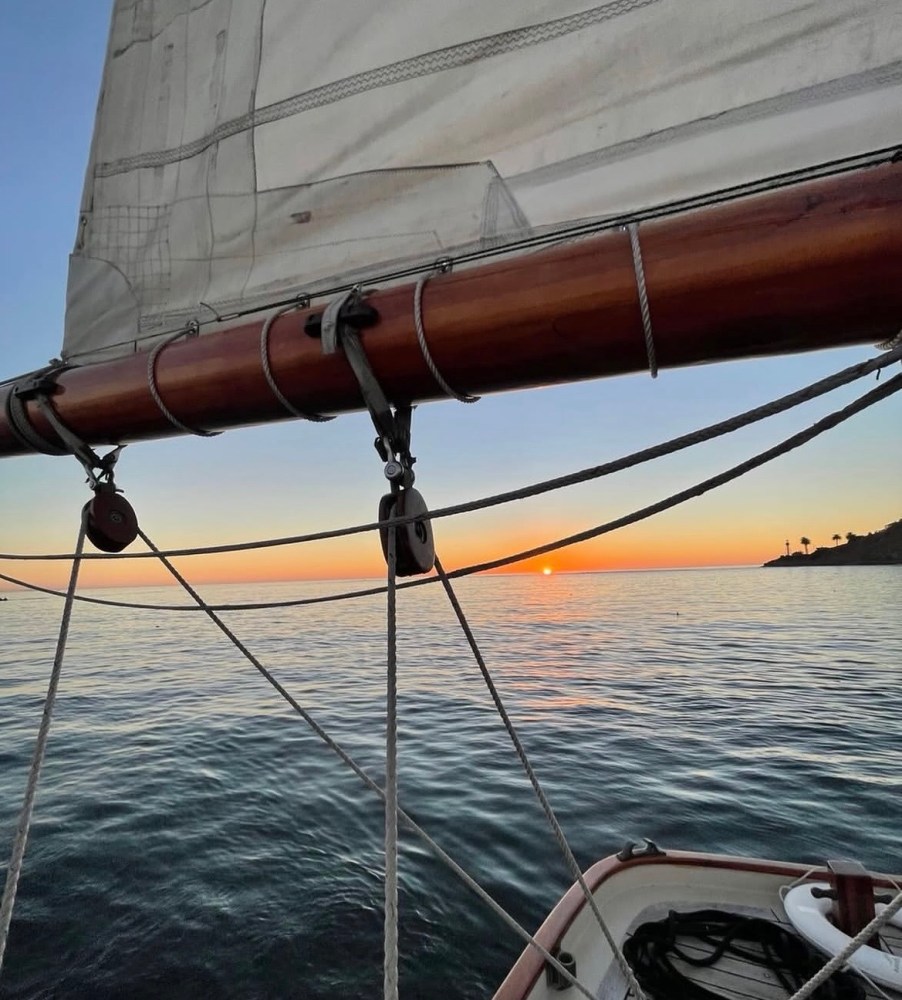
Every few years the Pacific Ocean changes its routine. Water temperatures rise, currents shift, and marine life starts showing up in places you wouldn’t normally expect. This climate pattern is called El Niño, and it’s affecting the ocean right now.
At Next Level Sailing, we’re on the water almost every day, so we see these changes up close. This guide explains what El Niño is, how warmer ocean water affects marine life, what it means for San Diego, and why this is one of the most exciting times of the year to go whale watching.
What Is El Niño?
El Niño is a natural climate pattern that starts in the tropical Pacific. The trade winds usually push warm surface water west toward Asia and Australia. During an El Niño those winds weaken, and warm water spreads back east toward the Americas.
The effects reach thousands of miles. Along the California coast, El Niño usually means:
- Warmer sea surface temperatures than normal
- Weaker upwelling, the process that brings cold, nutrient-rich water up from the deep
- Shifting currents that carry warm-water species farther north
- Changes in weather, sometimes including wetter winters in Southern California
El Niño events usually last 9 to 12 months, and some last longer. Each one is different, so scientists, fishermen, and boat captains all watch closely to see how it plays out.
How Warmer Ocean Water Affects Marine Life
The ocean food web starts with tiny organisms called plankton. Cold, upwelled water feeds the plankton, which feed small fish like anchovies and sardines, which in turn feed larger fish, seabirds, sea lions, dolphins, and whales.
When warmer water weakens upwelling, the whole food web adjusts:
Marine Life Moves
Many animals follow their preferred temperatures and food. Some cold-water species move farther offshore or north, while tropical and subtropical species move in from the south.
Unusual Visitors Arrive
Warm-water years bring surprises. During past El Niño events, Southern California saw tropical fish, pelagic red crabs, and other species that normally live much farther south.
Feeding Patterns Change
Whales, dolphins, and seabirds go where the food is. That can mean animals feeding closer to shore, in new areas, or at different times than usual.
Every Day Is Different
The most noticeable change during El Niño is unpredictability. The ocean rearranges itself, and every trip can bring something new.
El Niño in San Diego: What We’re Seeing Right Now
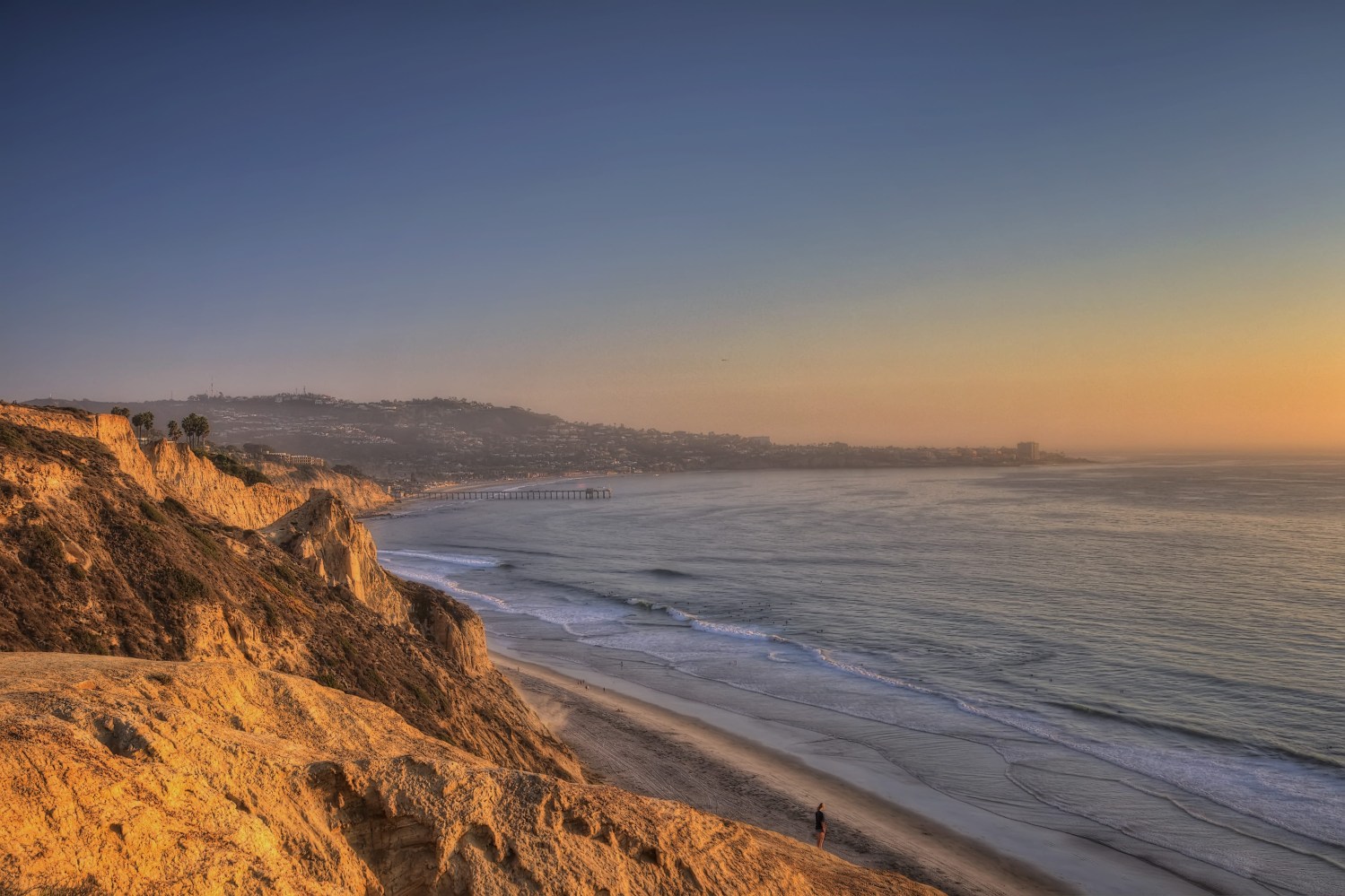
San Diego sits in a great spot for marine life. Its waters are a meeting point between cooler northern currents and warmer southern waters, so a shift in ocean temperature shows up here quickly.
This season, warmer water off the San Diego coast is already bringing unusual sightings. One of the most exciting is the spinetail devil ray, a relative of the manta ray usually found in warmer tropical and subtropical waters. Seeing these graceful rays glide near the surface or leap from the water is a rare treat, and a sign of how the ocean is changing this year.
Local marine life to watch for this fall and winter includes:
- Common and bottlenose dolphins, often in large, playful pods
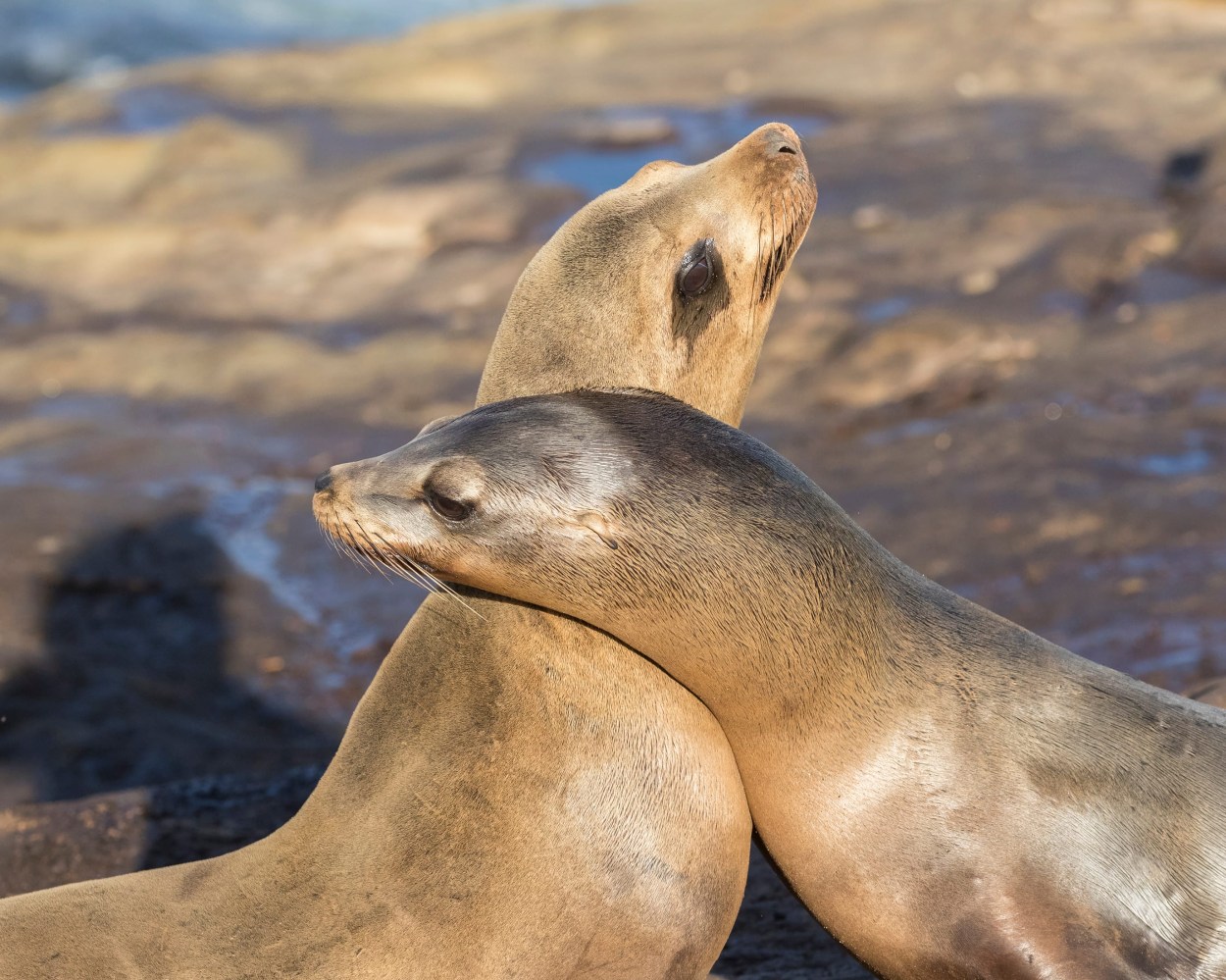
- California sea lions around the bay, the harbor, and offshore buoys
- Humpback whales, which have historically been seen off San Diego in November
- Gray whales, which pass San Diego during their winter migration
Because conditions are changing, nobody knows exactly what the fall and winter months will bring. That’s part of the fun.
What El Niño Means for Whale Watching and Boat Charters
If you’ve been thinking about booking a San Diego whale watching tour or a private boat charter, this is a great time to go.
More Chances for Rare Sightings
Warm-water years can bring species most San Diegans never get to see. Sightings like spinetail devil rays make every trip feel like an expedition.
A Great Lead-In to Whale Season
November has historically been a strong month for humpback whales off San Diego. As fall turns to winter, gray whale migration season begins, when thousands of gray whales travel along the coast between Alaska and the lagoons of Baja California. Warmer water adds another layer of excitement to an already great season.
Comfortable Days on the Water
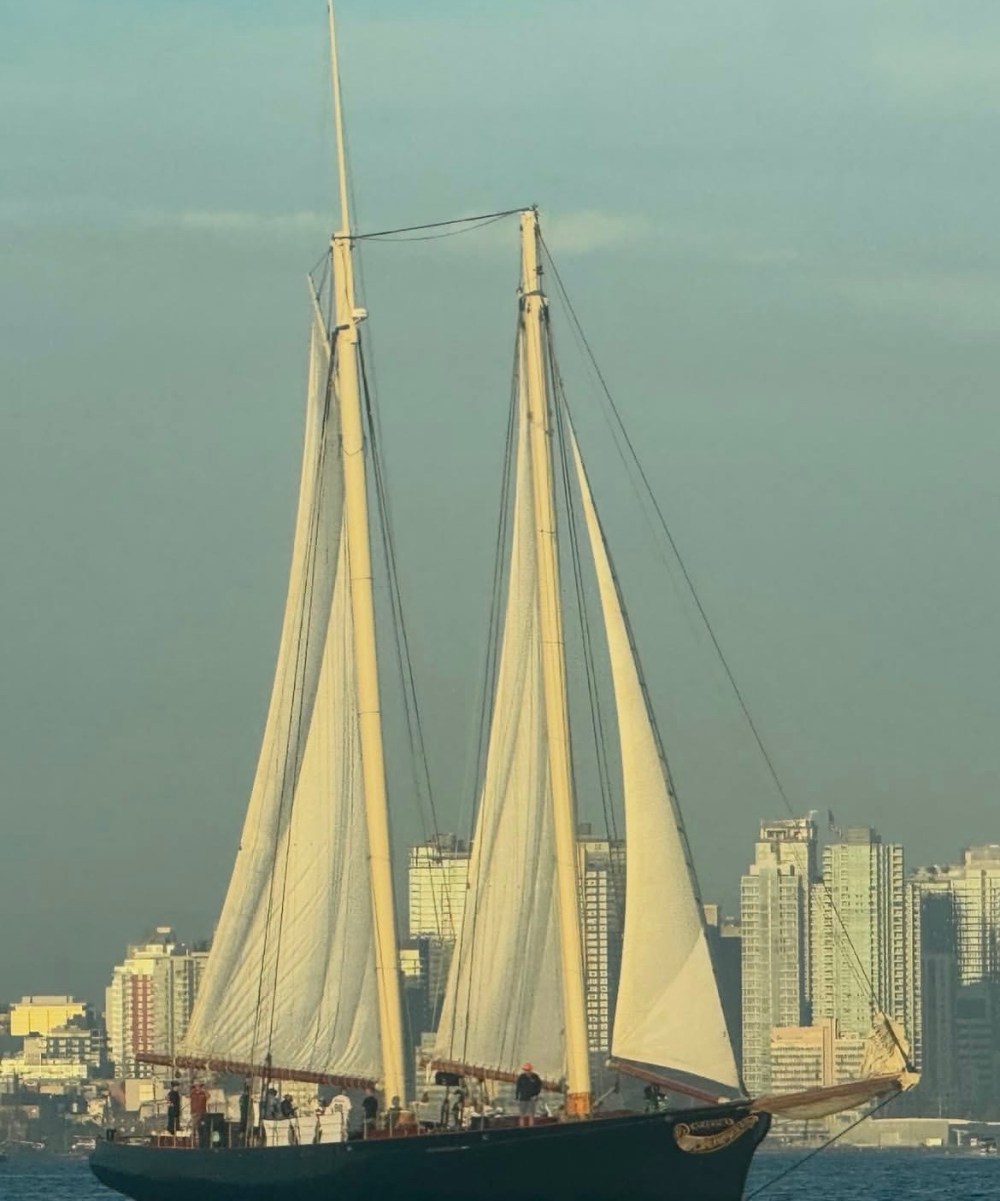
Warmer water often means pleasant conditions for sailing. Whether you’re booking a sunset sail, a whale watching trip, or a private charter for a special occasion, fall and winter in San Diego offer some of the most beautiful days on the water.
Every Trip Tells a Story
Our crew watches the water closely and shares what we’re seeing: how the animals are behaving, why certain species are here, and how the ocean is changing. You’ll come back with photos and a better understanding of the Pacific.
Tips for Your El Niño Season Whale Watching Trip
To get the most out of your time on the water:
- Book early. Holiday weekends and peak whale season fill up fast.
- Bring layers. Even on warm days, it can be cooler and breezier offshore.
- Pack binoculars and a camera. Unusual sightings can happen fast.
- Wear sunscreen and sunglasses. The glare off the water is strong.
- Keep an open mind. El Niño keeps things unpredictable, and the surprises are often the best part.
Experience San Diego’s Changing Ocean with Next Level Sailing
El Niño is a reminder that the ocean is always changing. For anyone who loves marine life, that makes this an exciting time to be on the water. From rare spinetail devil rays to the humpback and gray whale seasons ahead, San Diego’s waters have a lot to offer this fall and winter.
Book your San Diego whale watching tour or private boat charter with Next Level Sailing today, and come see what the ocean has in store this season.